
Foot Pain
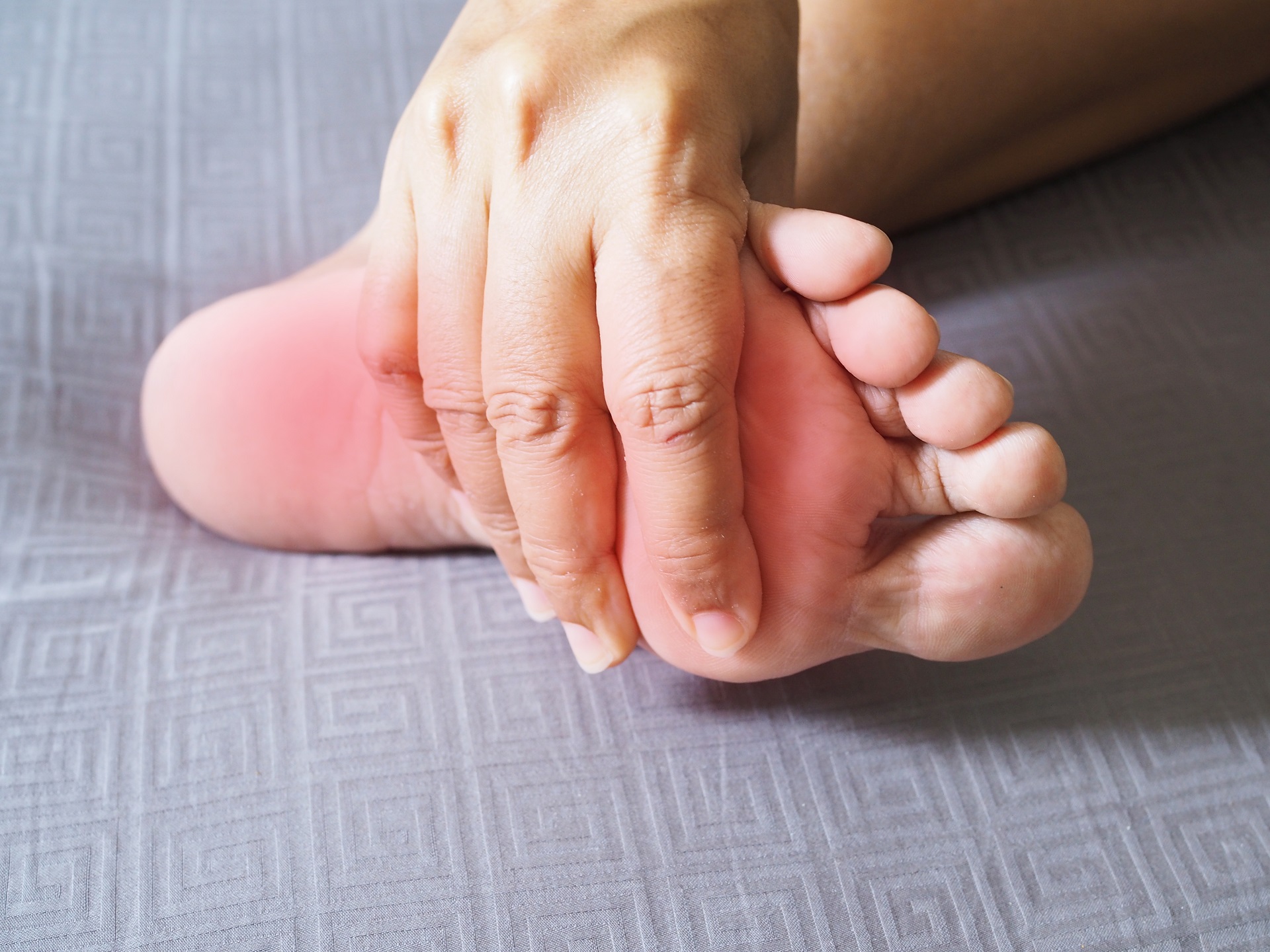
Why is foot pain so common?
Your feet are remarkably complex structures responsible for carrying you wherever you go. They contain many separate components that work together, including bones, joints, ligaments, muscles, tendons, nerves, blood vessels, and skin. Just about all of these components can potentially be the site of an injury or affected by another condition within your body, causing foot pain.
Many foot injuries and conditions result from wear and tear caused by repetitive use over time and may worsen if you wear ill-fitting shoes. It’s also possible that you’re more prone to foot pain simply because of the structure of your feet, as determined by genetics. For example, having flat feet or high arches will affect the amount and type of pressure placed on your feet.
What conditions can cause foot pain?
There are numerous conditions that can result in foot pain, including:
- Arthritis: a group of inflammatory joint conditions that often affects the feet
- Bunions: a bony bump that develops at the base of the big toe
- Hammertoe: in which a toe is bent down at the middle joint instead of pointing forward
- Morton’s neuroma: a thickening of nerve tissue between the toes that feels like walking with a pebble in your shoe
- Peripheral neuropathy: a condition resulting from nerve damage, common among people with diabetes
Foot pain may be the sign of a more serious condition, or it could be specific to your feet and possible to fix by correcting the positioning or structure of your feet.
How is foot pain treated?
Dr. Reed will diagnose your foot pain and develop a personalized treatment plan depending on your condition and what’s causing it. If your foot pain results from an abnormal bend or bump such as a bunion or hammertoe, it may respond to a conservative treatment approach, including changing your footwear to reduce pressure on the affected nerves.
Dr. Reed specializes in foot surgery and can treat foot pain through several minimally invasive outpatient procedures if your condition doesn’t respond to conservative treatment. These procedures involve making tiny incisions to correct persistent foot problems without affecting the surrounding area. Should you require minimally invasive surgery, you’ll receive local anesthesia and be able to go home the same day.
To get help for chronic foot pain, call Lauren Reed, DPM, and schedule an appointment today.